Menu Close menu

Accept payment with
Multibanco

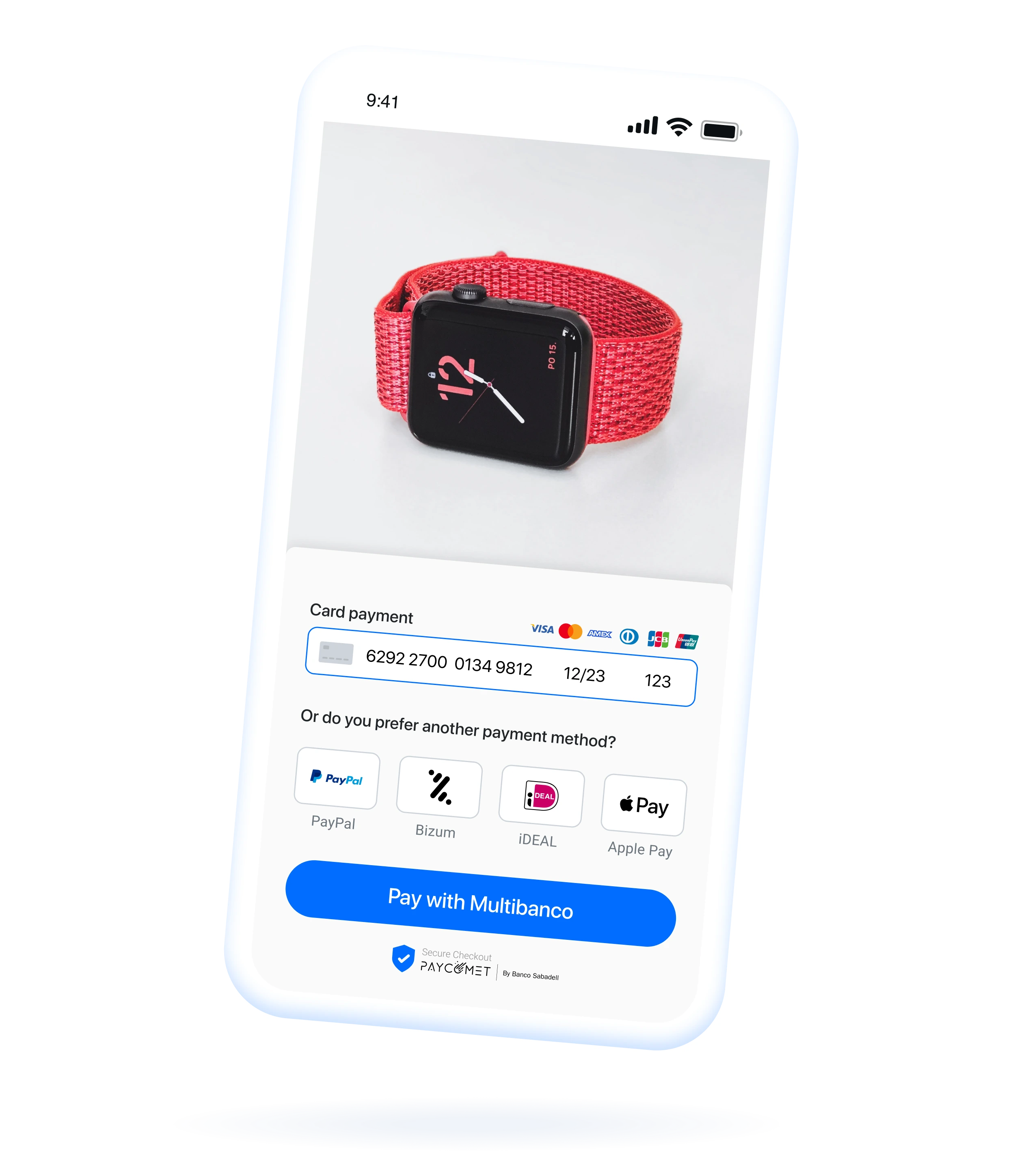
Open up your online business to the Portuguese market by offering the most popular payment method among Portuguese shoppers. Get secure online sales offering a trustworthy payment system that is completely secure.


Multibanco payment for e‑commerce

What is Multibanco?

Multibanco is the most commonly used payment method in Portugal. Roughly 85% of all sales by Portuguese consumers use this payment method. By offering Multibanco on your ecommerce, your customers can pay through their own online banking environment without sharing any personal or card details. Add Multibanco to your online business and give customers a fast, secure shopping experience integrated with the main banks.

Advantages of accepting Multibanco

  • Comprehensive

  • Over the years, Multibanco has expanded its services and now offers more than 90 operations through online and offline channels.

  • Secure

  • Multibanco purchases comply with the highest security standards, which builds trust with both merchants and customers.

  • Popular

  • Your customers don’t have to log in or register to use Multibanco. This improves the shopping experience for them and boosts conversion for you.

Accept Multibanco Payments in Ecommerce with PAYCOMET
Multibanco Payment Gateway for Online Stores

Multibanco Fees and Commissions for Ecommerce

1,40% + 0,25€ + 0,09 €

Simple Multibanco Integration through PAYCOMET

How to integrate Multibanco as a payment method in your ecommerce?

Icono uno

Pay with Multibanco

The customer chooses the Multibanco option at checkout in your online shop.

Icono dos

Data verification

The customer gets payment details, logs into their online banking system and confirms the transfer using the payment details. Or finishes the transaction at a cash machine.

Icono tres

Payment received

After the payment flow is complete, the customer and merchant receive confirmation that the funds have been sent.

Is It Safe to Accept Multibanco Payments? Guarantees and Protection

secure payment with Multibanco
All payment methods
in one platform

PAYCOMET and Multibanco on your ecommerce platform

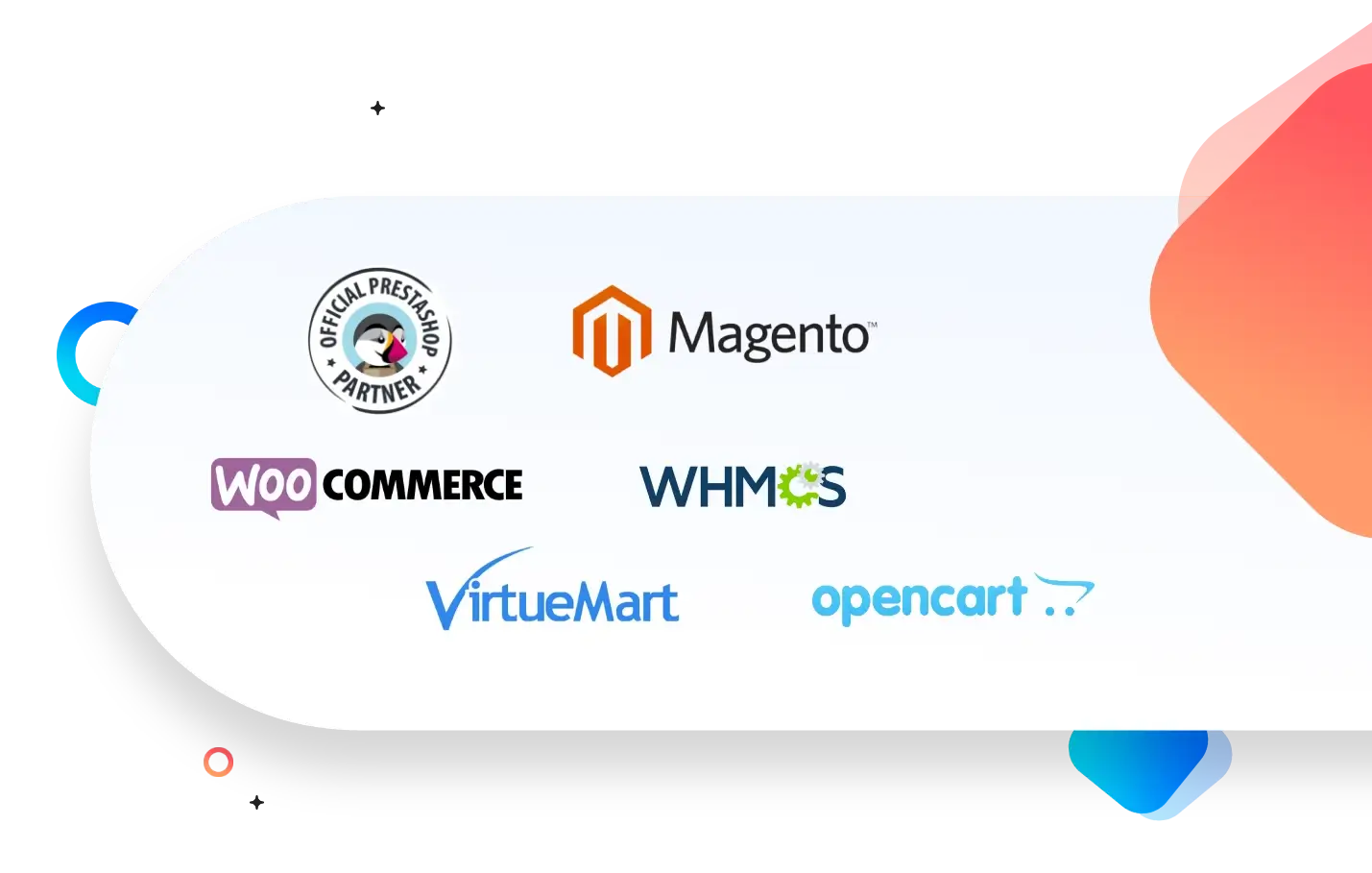
If you use an ecommerce CMS, you can integrate the PAYCOMET Virtual POS in just a few clicks and start offering Multibanco. Download the module, request a trial account and find out how easy it is to start selling with PAYCOMET.

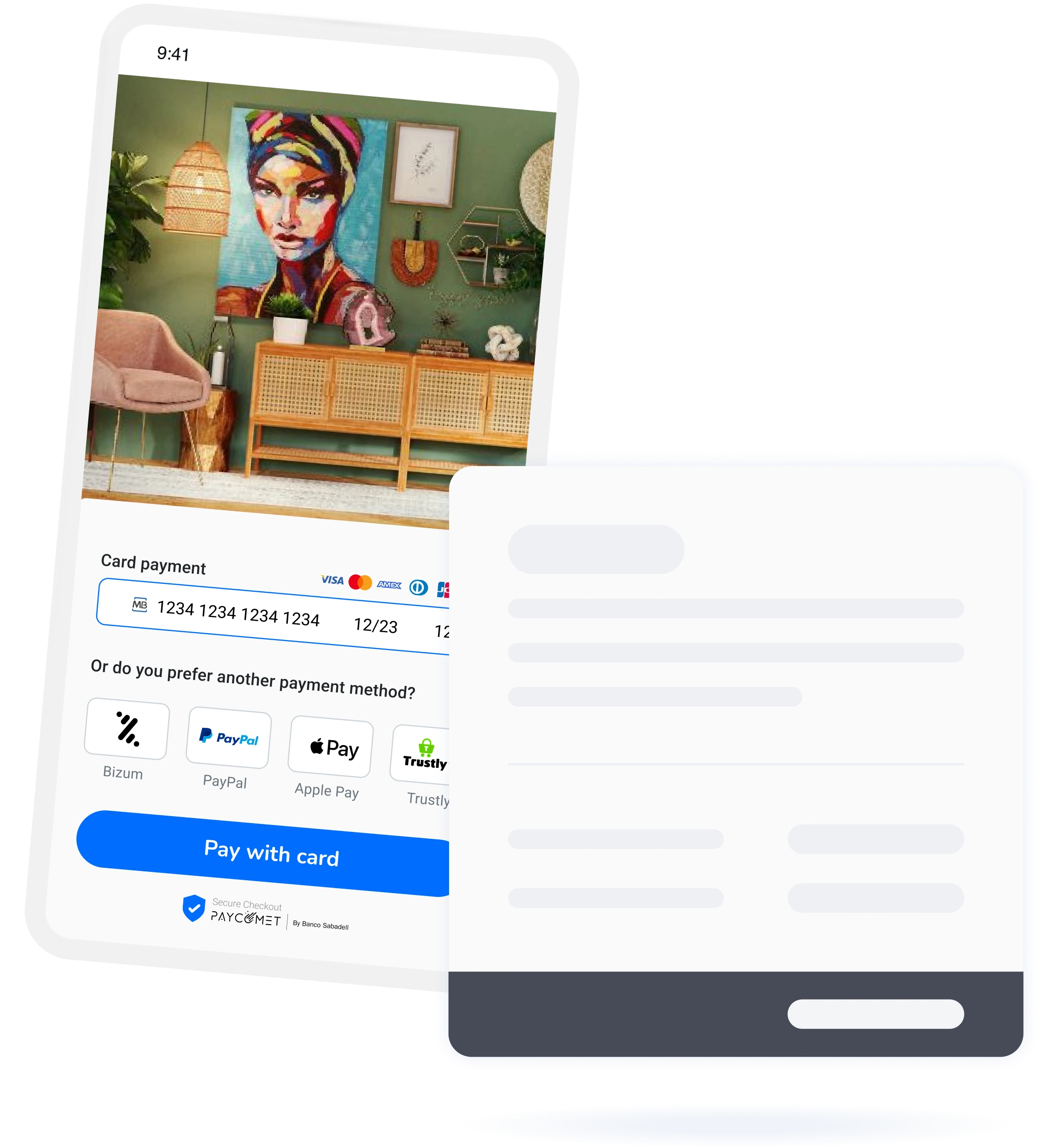
Payment methods in CMS plugins for ecommerce

Multibanco compatible solutions

Icono TPV Virtual
Virtual POS
Icono PAY by Link
PAY by Link
Icono Pay by QR
Pay by QR

Frequently asked questions about Multibanco

  • What is the Multibanco payment process like for my customers?

  • The process is quick and familiar for Portuguese users. When the purchase is confirmed, your ecommerce store generates a payment reference (Entity, Reference, and Amount). The customer completes the payment through their online banking, the MB WAY app, or any ATM in the Multibanco network. Once completed, PAYCOMET notifies you in real time so you can validate the order.

  • What fees does Multibanco apply to merchants?

  • Accepting Multibanco payments with PAYCOMET has a cost of 1.40% + €0.25 + €0.09 per transaction. In addition, you can start selling now and enjoy 3 months of the service for FREE to try out the platform.

  • How can I integrate Multibanco into my website?

  • As a PAYCOMET customer, you can activate this payment method from your control panel. The payment button will appear in your checkout easily. If you use a CMS (PrestaShop, WooCommerce, etc.), you just need to update our plugin. You can find the technical documentation here.

  • How will I receive the money from Multibanco payments?

  • The funds accumulate in your PAYCOMET dashboard and are automatically settled into your linked bank account according to your settlement cycle. You can manage and reconcile all your payments in a unified way from a single place.

Want to accept payment with Multibanco?

Contact us or create a free account and start offering payment with Multibanco today.